Sustainable Solutions: How E-Waste Recycling Services Are Saving Our Planet
Electronic waste presents serious dangers to the environment, as abandoned electronic devices commonly carry harmful materials. These toxic materials have See it here the potential to taint soil and water sources, leading to broader ecological damage. E-waste recycling initiatives provide a practical answer. They serve the dual purpose of reclaiming precious materials and reducing contamination. Understanding how these services operate and their impact on communities is essential. The journey towards effective e-waste management raises critical questions about individual responsibility and collective action. What actions should be considered going forward?
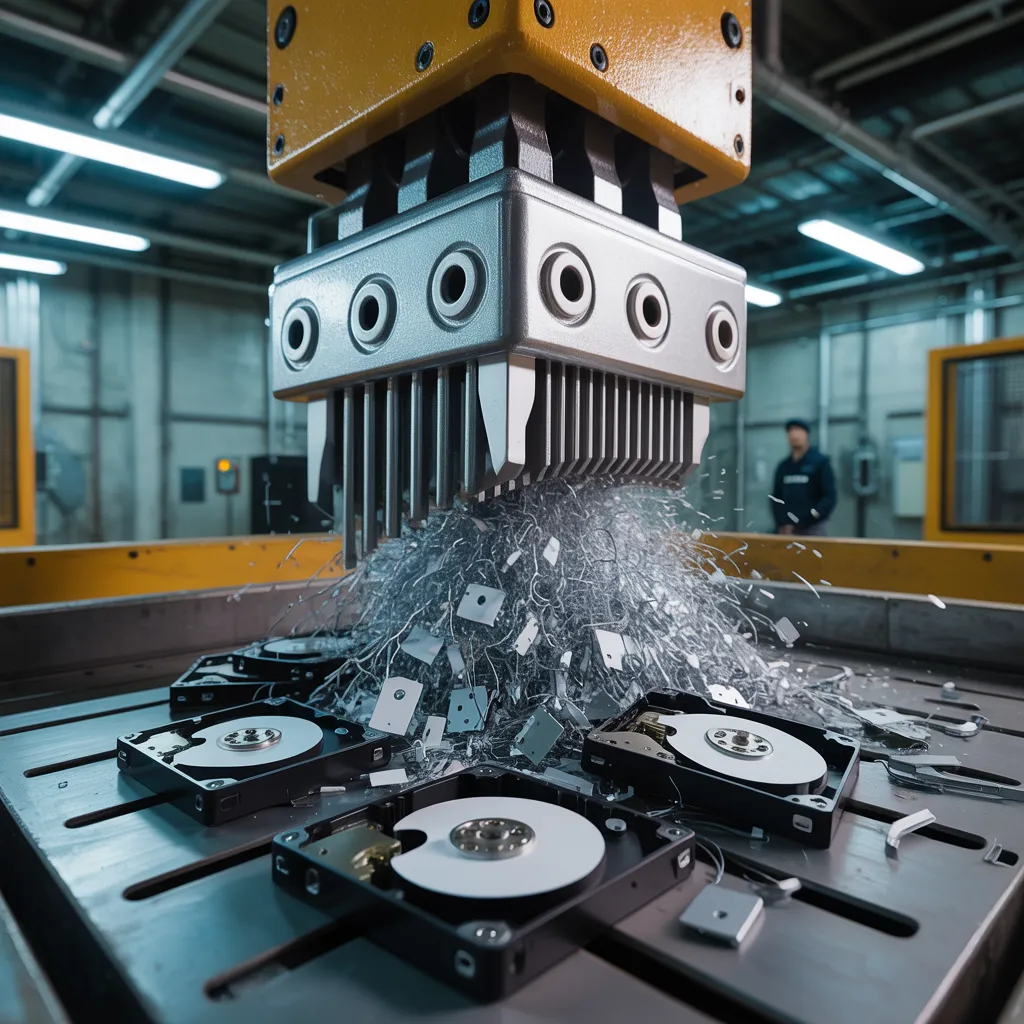
Why E-Waste Poses a Threat to the Planet
While technological advancements improve contemporary living, electronic waste presents serious threats to the environment. Abandoned electronic gadgets, frequently composed of hazardous materials such as mercury, lead, and cadmium, may release harmful substances into the surrounding soil and water supply, presenting dangers to human health and ecosystems. The accelerating rate of technological innovation leads to increased consumer turnover of electronics, intensifying the growing problem of e-waste.
Landfills, already overwhelmed with refuse, find it difficult to handle the increasing amounts of discarded devices. Burning, an alternative disposal approach, discharges toxic contaminants into the air, worsening overall air quality. Moreover, poor recycling procedures can cause e-waste to be sent to developing regions, where employees may disassemble electronics without sufficient safety precautions, leaving them vulnerable to harmful substances. This cycle of neglect and improper handling underscores the urgent need for sustainable recycling solutions that can mitigate the adverse effects of e-waste on the planet.
What Is E-Waste and Its Importance?
Electronic waste, commonly known as e-waste, includes obsolete electronic products like televisions, computers, and smartphones that have exceeded their operational lifespan. This increasingly prevalent form of waste is important because of its swift buildup, propelled by advances in technology and evolving consumer behaviors. As growing numbers of electronics become outdated, the environmental impact intensifies, with harmful substances like lead, mercury, and cadmium threatening both ecosystems and public health.
The importance of addressing e-waste lies not only in mitigating these hazards but also in recognizing the valuable materials it contains. Critical metals and rare earth components can be reclaimed and recycled, decreasing the reliance on mining and protecting natural resources. With a thorough understanding of e-waste and its impact, people and organizations alike can make educated decisions about disposal and recycling, helping to build a more sustainable world. Responsible management of e-waste plays a key role in supporting a circular economy and championing environmental stewardship.
How the E-Waste Recycling Process Works
The recycling of e-waste encompasses an organized procedure aimed at reclaiming useful resources while minimizing environmental impact. To begin, e-waste is collected and transported to purpose-built recycling plants. Once there, the electronics are carefully categorized to separate hazardous components from recyclable materials.
Following this, workers dismantle the items, extracting metals, plastics, and glass. This process is vital, as it makes possible the reclamation of high-value metals like silver, gold, and copper, which may be utilized in new electronic devices.
Subsequently, the isolated materials are refined using state-of-the-art techniques, such as mechanical shredding and chemical processing, to refine them for further use.
In the final step, the leftover hazardous materials are disposed of responsibly, following environmental guidelines. This comprehensive process not only conserves resources but also mitigates the risks associated with irresponsible electronic waste disposal, securing a more eco-conscious future for the consumption of electronics.
How E-Waste Recycling Benefits You and Your Community
Although it often goes unnoticed, the benefits of e-waste recycling go far beyond individual benefit and actively shape entire communities. By properly recycling electronic waste, individuals help foster a safer environment, decreasing hazardous materials that can contaminate soil and water. This proactive approach works to protect local ecosystems and advances public health.
Additionally, electronic waste recycling supports job creation within communities. Nearby recycling establishments regularly need employees for diverse activities, including collection and processing, consequently creating meaningful employment within the community. This not only strengthens the regional economy but also fosters community involvement in eco-friendly practices.
Furthermore, familiarity with e-waste recycling may result in awareness campaigns, enabling residents to make environmentally conscious decisions. By participating in e-waste recycling programs, individuals cultivate a culture of sustainability, inspiring others to do the same. Overall, the collective impact of these actions can result in a more sustainable and conscientious community.
Tips for Choosing an E-Waste Recycling Service
Selecting the most suitable e-waste disposal service is essential for guaranteeing that electronic waste is processed with responsibility and sustainability. First, consumers should check the service's certifications, such as R2 and e-Stewards certifications, which signify adherence to professional guidelines for safe recycling practices. It's also important to evaluate the company's credibility by reading customer reviews and obtaining referrals from reliable sources.
Next, transparency in the recycling process is vital. A trustworthy provider should provide clear information about the manner in which e-waste is managed and what becomes of the materials. Furthermore, assessing the variety of services available can be advantageous; some companies may provide pickup services or offer incentives for recycling.
Finally, learning about area-specific requirements for e-waste disposal can further guide the choice of disposal method. Through focusing on these key aspects, consumers can play a role in responsible e-waste disposal while also advancing environmentally responsible practices.
How You Can Take Part in E-Waste Recycling?
Participating in e-waste recycling often starts at the local level, where community recycling hubs frequently offer essential services for safe disposal. Moreover, joining community awareness campaigns can enhance efforts to raise awareness about the importance of responsible e-waste management. These actions not only promote sustainability but also cultivate a collective sense of stewardship of the environment.
Regional Recycling Centers
Several local recycling centers fulfill a critical purpose in electronic waste recycling, providing communities with accessible options to manage electronic waste appropriately. These hubs welcome a selection of electronic equipment, including aging computers, cell phones, and television sets, ensuring that harmful materials are handled safely. The majority of facilities employ experienced team members who support individuals in understanding proper disposal practices, stressing the significance of recycling instead of landfilling. Furthermore, many centers offer planned drop-off gatherings or set collection days, making participation convenient for residents. By utilizing these local services, community members advance a circular economy, minimizing ecological impact and fostering sustainable behaviors. Connecting with these stations empowers communities to take action against e-waste pollution effectively.
Community Awareness Campaigns
Local organizations, schools, and businesses can partner to arrange initiatives that encourage e-waste collection drives. Dedicated participants can take a leading part in promoting knowledge, handing out educational content, and interacting with the surrounding community. As a result of these combined actions, community members grow more knowledgeable and inspired to dispose of their electronics responsibly, thereby helping to build a greener and more sustainable tomorrow.
Common Questions and Answers
What Types of Electronics Can Be Recycled?
Many different electronics are able to be recycled, including smartphones, computers, laptops, televisions, printers, and gaming consoles. Furthermore, accessories such as keyboards, mice, and batteries are equally appropriate for recycling, contributing to sustainable environmental practices.
Are There Fees Involved With E-Waste Recycling?
That's correct, electronic waste recycling may involve fees, depending on the provider. Some facilities charge fees for collection or processing, while other facilities provide no-cost solutions, typically funded by the proceeds from salvaged materials.
What Are the Benefits of E-Waste Recycling for Businesses?
Businesses can benefit from e-waste recycling by reducing disposal costs, enhancing their environmental image, adhering to regulatory requirements, recovering valuable materials, and possibly earning income through resale, thereby fostering a more environmentally responsible business approach.
What Becomes of Data on Recycled Devices?
Details from repurposed equipment is frequently irretrievably wiped or eliminated throughout the recycling process. This ensures confidential data stays protected, blocking unwanted intrusion while permitting resources to be reused securely and sustainably within new applications.
Is It Possible to Recycle Damaged Electronics?
Indeed, broken electronics are able to be recycled. Many recycling centers accept non-functioning devices, ensuring proper disposal and retrieval of precious materials. This helps minimize environmental impact while promoting eco-friendly recycling methods to control electrical waste properly.